Twenty-four years after the official end of Sierra Leone’s civil war, the theme of this year’s International Day of Peace, “Invest in Peace: For Everyone, Everywhere, Every Day”—carries special meaning for us as a nation.
Our experience taught us that peace is precious, but also fragile. The end of armed conflict was a historic achievement, yet peace cannot be measured only by the silence of guns. Lasting peace means that people can live with dignity, participate in public life, access justice and essential services, and look towards the future with hope.
For Sierra Leone, investing in peace means addressing the conditions that can create frustration, exclusion, and instability. It means expanding opportunities for young people, reducing poverty and inequality, strengthening accountable institutions, promoting political tolerance, protecting women and girls, and ensuring that rural and marginalised communities are not left behind.
It also means recognising that development and peace are inseparable. A community without clean water, healthcare, quality education, livelihoods, or access to justice is not experiencing peace in its fullest sense. When citizens feel excluded from decisions, unable to meet their basic needs, or uncertain that institutions will treat them fairly, social trust begins to weaken.
Reparations and transitional justice are investments in peace
Investing in peace also requires us to address the unfinished work of reparations and transitional justice. Sierra Leone’s Truth and Reconciliation Commission helped document the experiences of victims, identify causes of the conflict, and recommend reforms to prevent a return to violence. The Special Court also contributed to accountability for serious crimes.
However, transitional justice must go beyond institutions and reports. It must be felt in the lives of survivors, many of whom continue to live with physical injuries, trauma, lost livelihoods, displacement, and the long-term consequences of violence.
Reparations are not acts of charity. They are a recognition of harm, an affirmation of survivors’ dignity, and a demonstration that the nation has not forgotten their suffering. Effective reparations may include healthcare, psychosocial support, education, livelihood assistance, accessible services for persons with disabilities, community rehabilitation, memorialisation, and other forms of material and symbolic recognition.
A survivor-centred approach must pay particular attention to amputees, war-wounded people, survivors of sexual and gender-based violence, war widows, former child soldiers, displaced families, and communities that experienced severe destruction.
Women and girls whose experiences were historically silenced must be able to participate safely and meaningfully in shaping policies intended to support them.
Completing this work strengthens public trust. It helps repair relationships between citizens, communities, and institutions while showing younger generations that injustice should be acknowledged rather than ignored. Truth-telling, accountability, reparations, institutional reform, and guarantees that violations will not be repeated are therefore essential foundations of sustainable peace.
The message is equally relevant to other countries emerging from civil unrest. A peace agreement may stop immediate violence, but it does not automatically heal trauma, restore trust, or remove the grievances that contributed to conflict. Post-conflict countries must invest in reconciliation, justice, community recovery, and opportunities for those most affected—especially young people, women, displaced families, survivors, and persons with disabilities.
“For everyone” means that peace must be inclusive. It cannot be enjoyed by a privileged few while others remain exposed to hunger, violence, discrimination, or injustice.
“Everywhere” means that peace must exist not only at the national level, but also in our homes, schools, workplaces, communities, political parties, and online spaces.
“Every day” means that peacebuilding cannot be limited to international observances, election periods, or moments of crisis. It must become part of how we govern, communicate, resolve disagreements, allocate public resources, remember our past, and treat one another.
Twenty-four years after the war, Sierra Leone must not become complacent. A new generation has grown up without direct memories of the conflict. This is a national success, but it also creates a responsibility to preserve our history, pass on its lessons, and help young people understand why dialogue, tolerance, justice, and democratic participation matter.
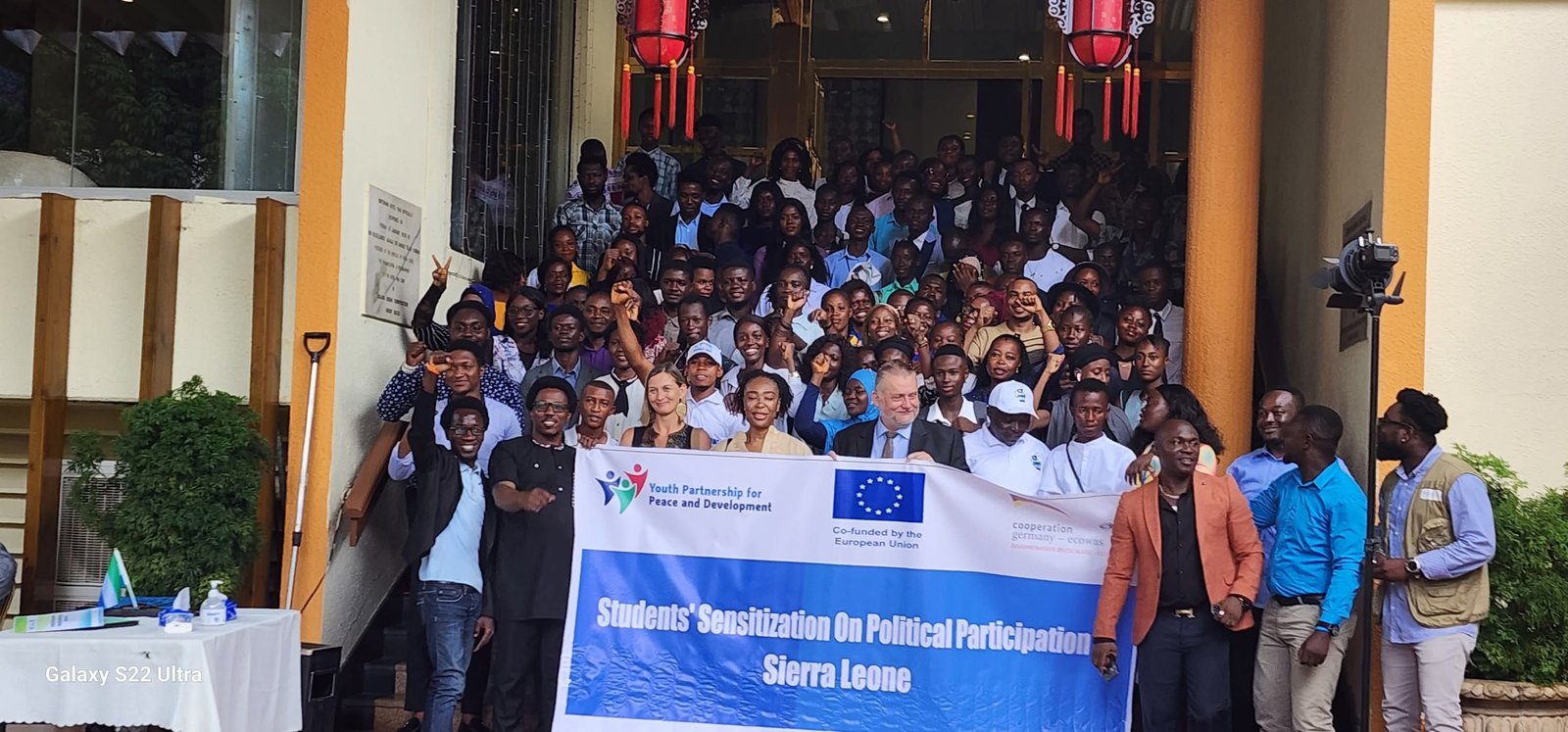
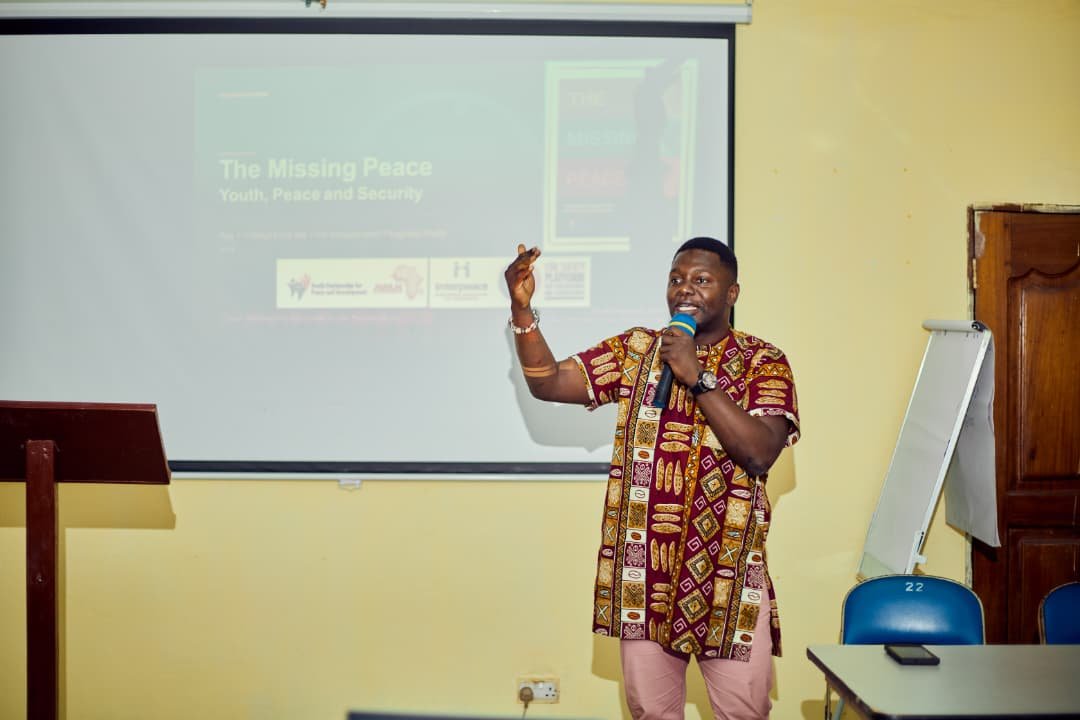
For the Youth Partnership for Peace and Development, the International Day of Peace is therefore a day of action. It is an opportunity to move beyond statements and take practical steps: convening community dialogues, mentoring young people, challenging hate speech, supporting survivors, advancing reparations, preserving historical memory, promoting responsible political participation, and building bridges across regional, ethnic, religious, and party lines.
Our past shows us the cost of conflict. Our present gives us the opportunity to address its continuing consequences. Our future depends on whether we are willing to invest in peace—not occasionally, but consistently; not for some people, but for everyone; not only in certain places, but everywhere; and not only on 21 September, but every day.
As Saidu Bangura, YPPD’s Community Education and Training Officer, reflects:
“YPPD began by working with ex-combatants, young people, and their communities to support reintegration and reconciliation after the war. We understood that peace would require more than disarmament—it would require healing, acceptance, and the rebuilding of trust. Through community education, dialogue, and training, we have continued to help young people become peacebuilders and to support communities in resolving their differences without violence.”